
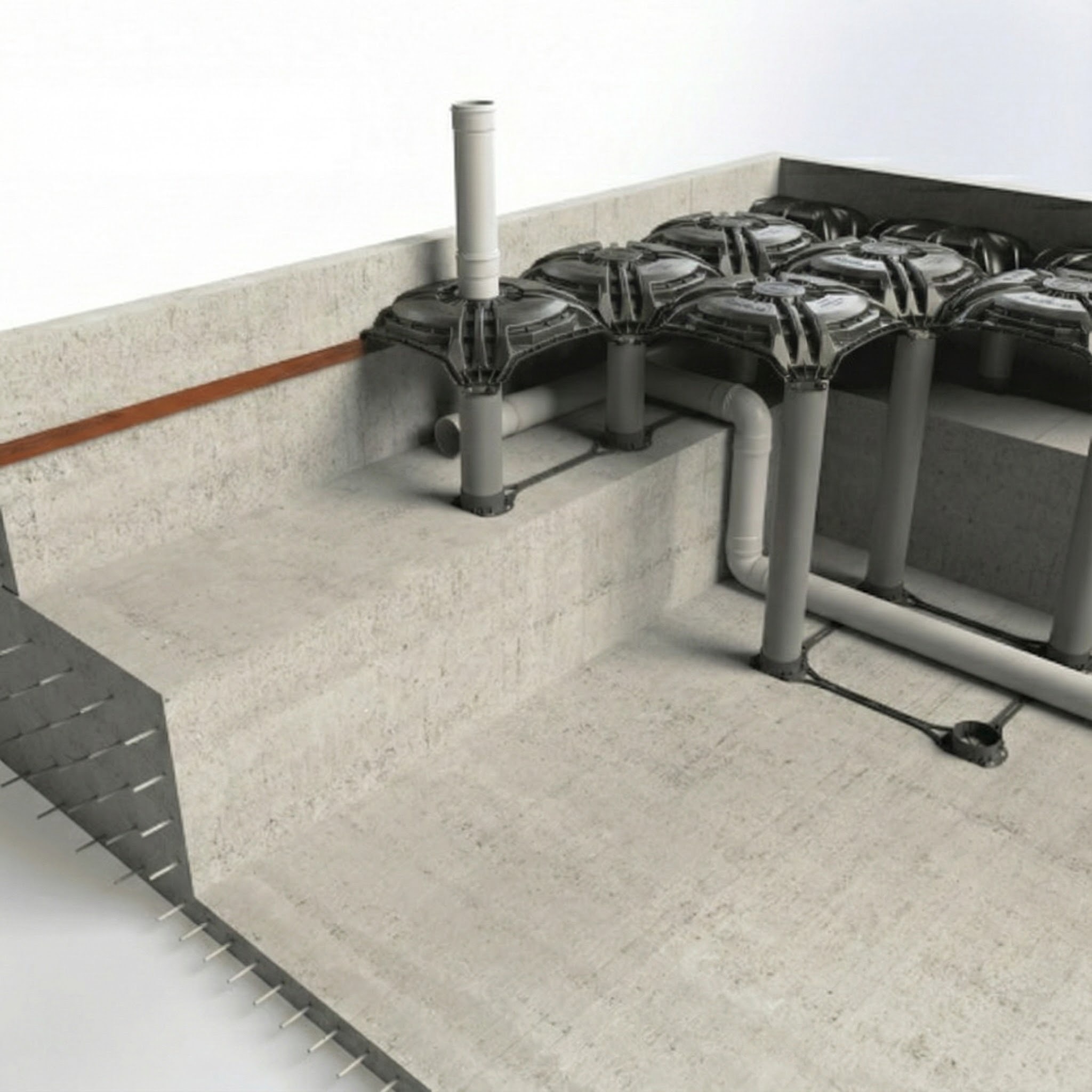
Disposable formwork prices are important in determining construction costs for projects. They involve complex processes that require large investments and meticulous planning. To complete these projects successfully, it is important to control costs and make savings. Here are some ways to reduce construction costs with disposable formwork, determine disposable formwork prices and increase your advantages.
Cost Savings with Disposable Formwork - 10 Advantages
- Requires Less Labor: Disposable formwork does not require dismantling and is very easy to assemble, so it greatly reduces labor costs. In traditional formwork systems, the assembly and dismantling performed under the supervision of skilled workers is time-consuming and costly.
- Material Savings: Disposable formwork uses less material than traditional formwork systems. In addition, because GooPlast disposable formwork saves concrete, it provides concrete savings on the project. This reduces your material and transport costs. It also saves on transporting materials to the site and stocking them.
- Time Savings: Disposable formwork speeds up concrete pouring operations. Because no dismantling is required, projects are completed faster. Projects completed faster provide time and labor savings to owners.
- Avoids Traditional Materials: Some construction projects use traditional materials such as EPS (expanded polystyrene) or soil and gravel. However, using these materials can lead to additional costs. Disposable formwork minimizes the use of these materials and thus provides savings.
- Environmentally Friendly and Sustainable: Disposable formwork is an environmentally friendly alternative made from recycled plastics. This contributes to sustainable construction practices and supports the goal of completing projects without harming the environment.
- Requires No Post-Production Modification: Disposable formwork ensures the concrete hardens in the desired shape, and because the ground will not deteriorate during post-production modifications, it lowers the project cost.
- Energy Efficiency: Disposable formwork offers insulation properties. This can reduce post-construction heating and cooling costs. Better energy efficiency provides significant savings in the long term.
- Produces Less Waste: Disposable formwork produces less waste during construction, which causes less harm to the environment. It reduces waste-management costs.
- More Durable: Disposable formwork systems provide long-term durability by giving the concrete a cross-vault structure. Because it is more resistant to external factors, it lowers maintenance and repair costs.
- Various Application Areas: Disposable formwork can be used in a wide variety of construction projects, offering a flexible option for owners and engineers in different sectors.
Cost Analysis of Using Disposable Formwork
The prices and cost advantages of disposable formwork can affect the budget and outcome of any construction project. However, to fully understand these advantages, it is important to examine in more detail how using disposable formwork, compared to traditional formwork systems, can affect the specific requirements of your project.
- Material Costs: The amount of material used for traditional formwork systems decreases when disposable formwork is used. Disposable formwork requires less concrete, and materials such as nails and plywood are not used, which saves on material costs. In addition, the materials used for disposable formwork are usually made from recycled plastics, representing an environmentally friendly approach.
- Labor Costs: Disposable formwork requires no dismantling labor. This reduces labor costs, because the assembly and dismantling performed under the supervision of skilled workers for traditional formwork systems is time-consuming and costly.
- Time and Labor Savings: Disposable formwork allows the project to be completed faster. Because no dismantling is required, it saves labor and time. When the project is completed faster, owners save on labor and rental costs.
- Existing Structures and Infrastructure: Using traditional formwork systems may be incompatible with existing structures and infrastructure in some projects. Disposable formwork can adapt more easily to existing conditions, which can reduce renovation costs.
- Sustainability and Environmental Costs: Disposable formwork is made from recycled materials and produces less waste. This reduces environmental impact and lowers waste-management costs.
- Energy Efficiency: Disposable formwork offers insulation properties and can increase energy efficiency. This saves on heating and cooling costs.
- Various Applications: Disposable formwork can be used in many different construction projects. Owners and engineers can appreciate the flexibility and versatility of disposable formwork.
Conclusion and Pricing
The price/cost advantages of using disposable formwork are critically important for the success of any construction project. It provides cost savings compared to traditional formwork systems, offers an environmentally friendly approach and supports projects being completed faster and more efficiently. For this reason, disposable formwork can be a noteworthy choice for anyone seeking cost-effectiveness in the construction sector.
Disposable formwork prices are calculated on a project basis according to the fill height to be used in the project. For a direct price calculation, you can get a price by contacting the GooPlast sales unit. The GooPlast team will help you to offer a solution suitable for your project's requirements and budget.
With disposable formwork it is possible to control prices and make savings on construction projects. In addition, adopting an environmentally friendly approach, disposable formwork contributes to sustainable construction practices. By choosing the disposable formwork system best suited to your project's needs, you can benefit from the cost advantages and carry out a successful construction project.
To learn more about our disposable formwork product, you can visit our Disposable Formwork Systems page.